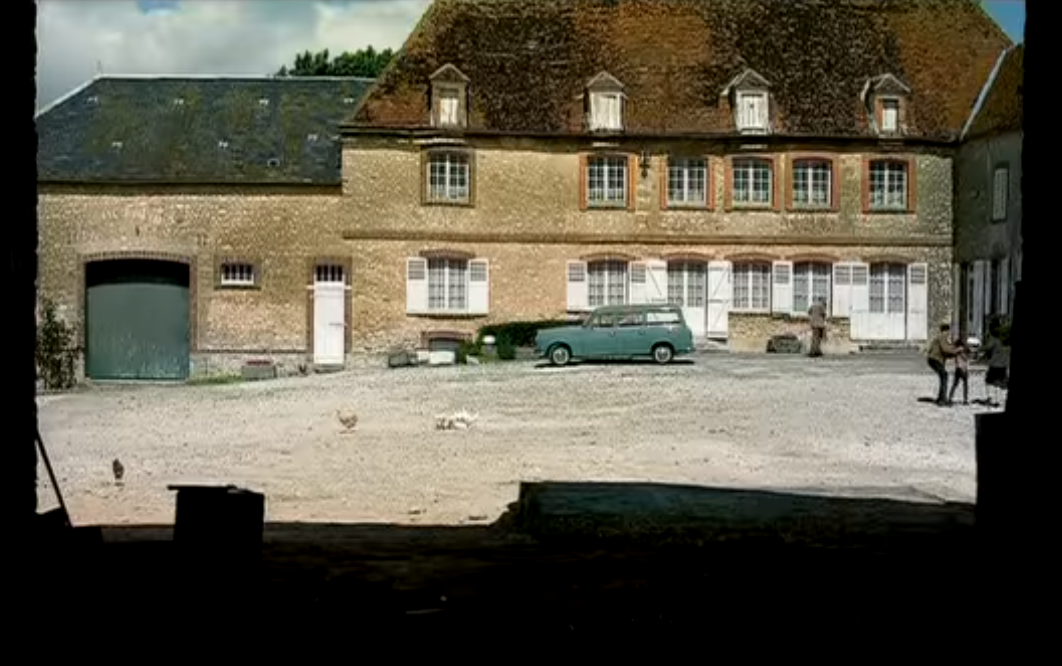
Caché: A Hidden Perspective (an audio visual essay)

The author of the audio visual essay places an emphasis on the switching between diegetic and non-diegetic cameras. He argues that the transition between these modes makes it difficult for the viewer to differentiate their role; hence“this dissonant lack of resolution solidifies a bad taste in the viewers mouth” (Mcdudemeister, 2016). In that Figgis wants the audience feel as if they are watching something they should not be.
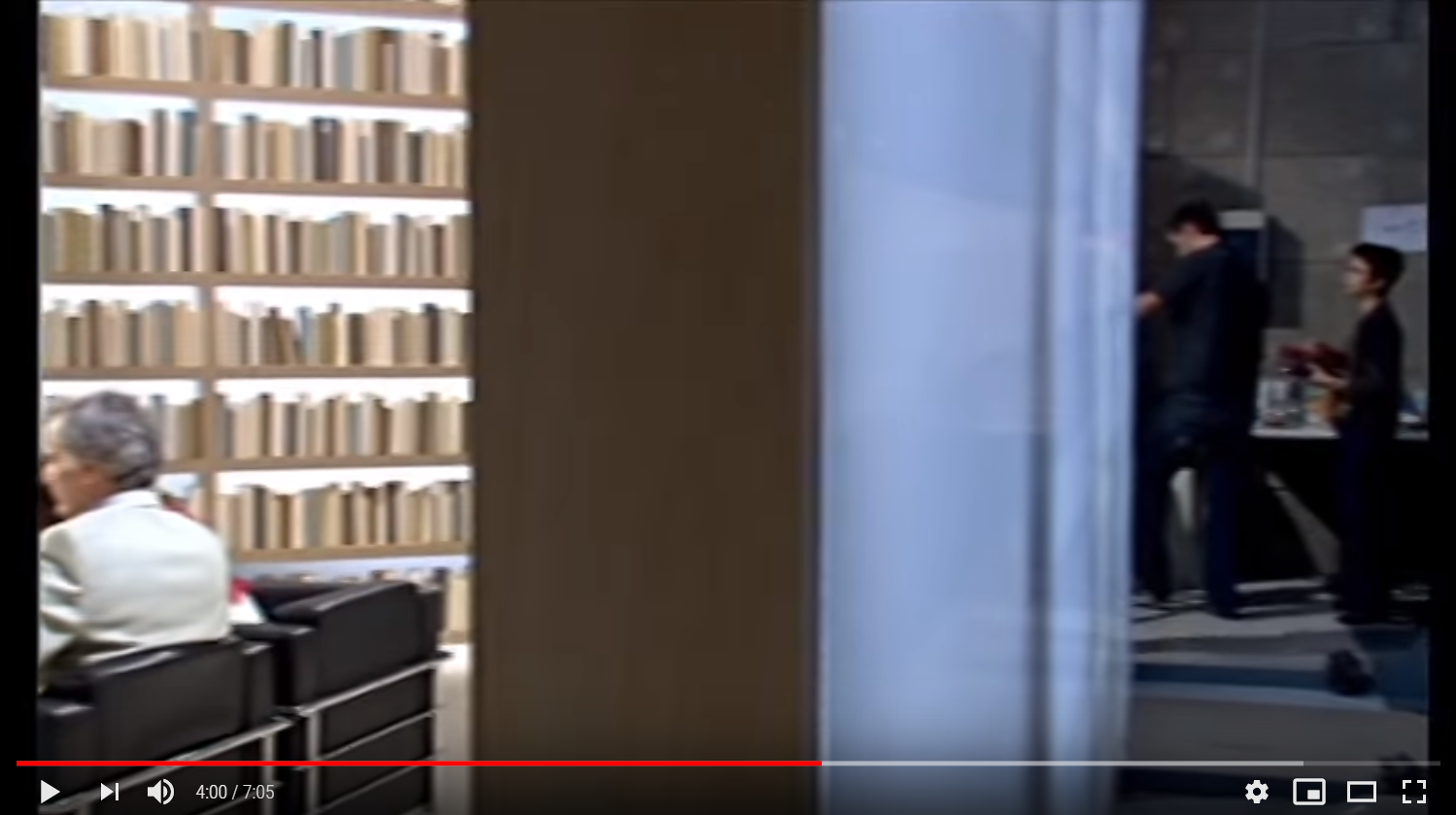
Fig. 1 Screengrab from Caché: A Hidden Perspective

More specifically, there is a blurring of lines between camera as object and non-object in the characters world. The repetition of the filmic medium through not only the tapes but also the set of the television show leads the audience is led to feel as if they are part of some “sinister snooping” (Mcdudemeister, 2016). The difficulty of identifying who is filming the shot makes it hard to believe when the film is not diegetic. This is achieved as the use of diegetic cameras is amplified by their simulation in non-diegetic shots. The establishing, long static shot that opens the film is exhibited multiple times; it becomes a symbol for the voyeurism felt by the audience as it links the viewer to the tapes. Among other devices, the audio visual essay presents the argument that this repetition of frame is primarily used to discomfort the viewer.
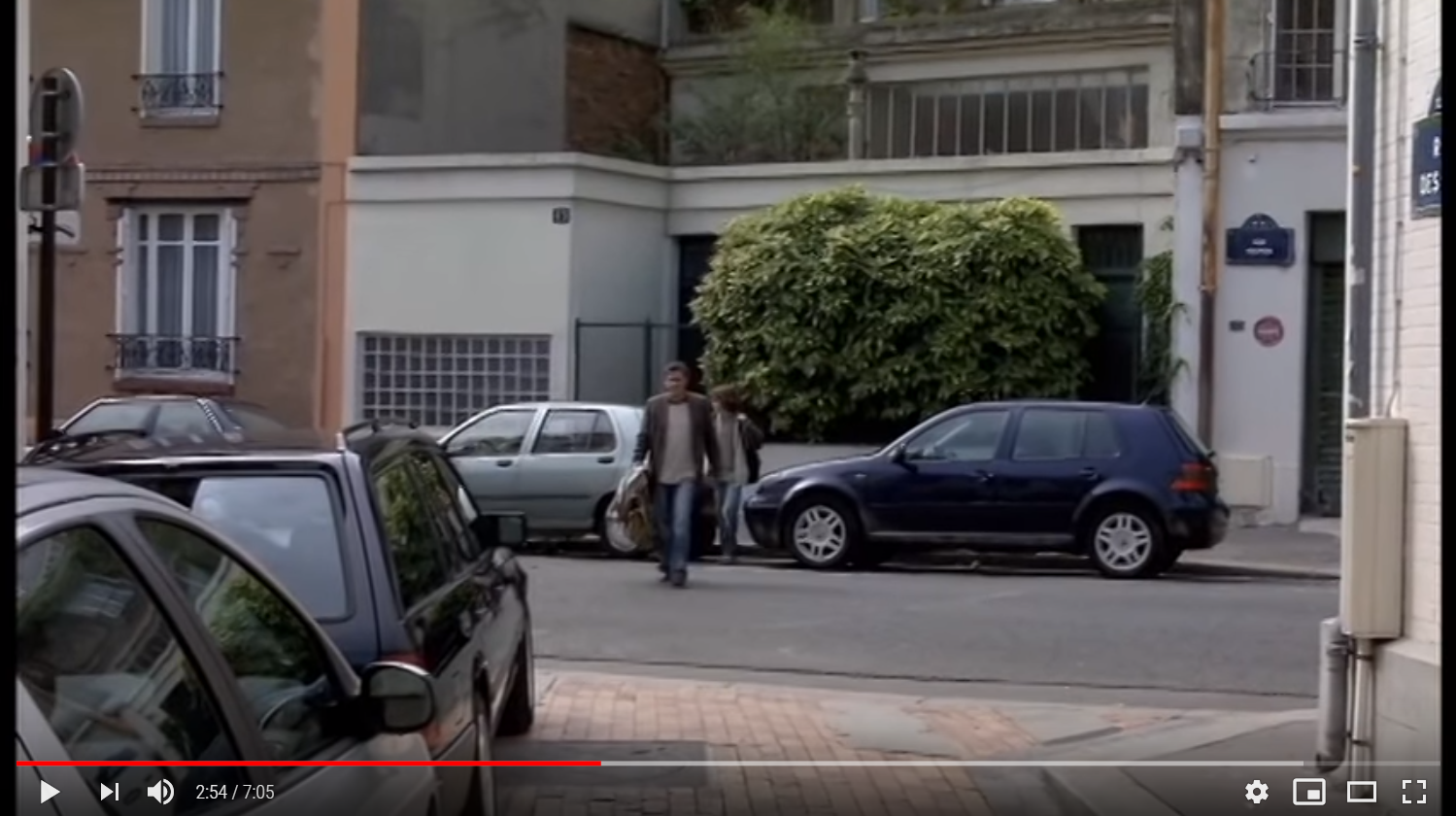

Fig. 2 Screengrab from Caché: A Hidden Perspective

References

Mcdudemeister. “Caché: A Hidden Perspective”. Youtube, Posted (June 2016) https://www.youtube.com/watch?v=_24QSKxk1fc
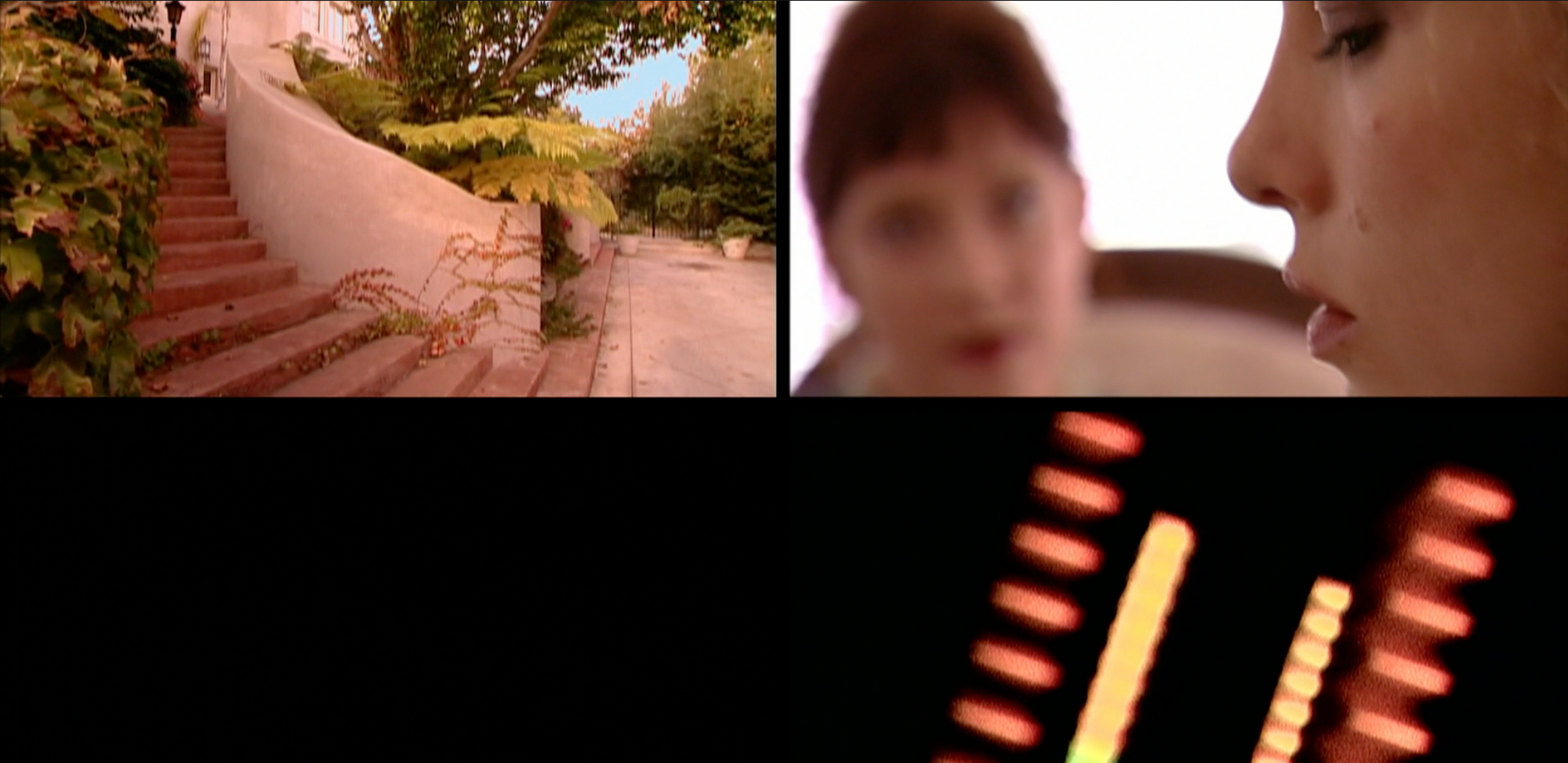
Mike Figgis’ Timecode

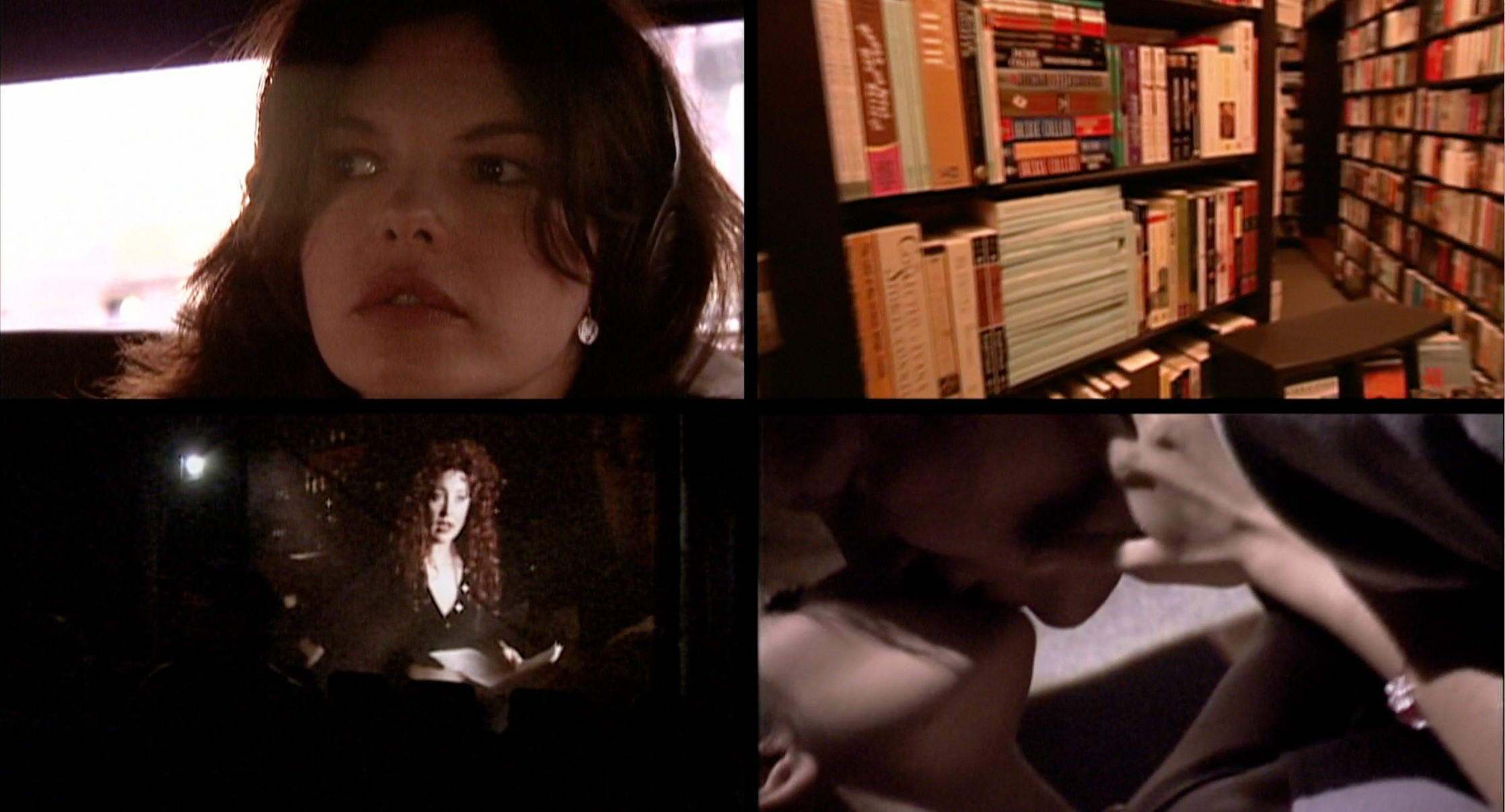
Timecode performs in a different way to the most other conventional films. Timecode breaks the viewer’s relationship with the narrative; something that is not common in cinema. Mike Figgis intentionally divides the screen into quarters, and shows four different narratives on each 93 minutes of a continuous shot filmed solely on digital cameras (Ebert, 2000).

Fig. 1 Screengrab from Timecode

Figgis shot his innovative piece 15 times before being satisfied with one continuous take. There was a high importance placed on the genuineness of the film, as this is what made it feel like reality to the audience. The film is as close to experimental cinema as a major release can be (Wolff, 2000), through the use of texturality of the low grade film, Figgis is alludes to CCTV footage. By doing this he is dealing with surveillance as a concept, transforming form into content (Harvey, 2000). The transformational aspect enables the viewer to immerse themselves in otherwise distracting scenes.

The improvisation of dialogue was also used to place the spectator into the scene. Figgis guides us through the narratives which overlap through his use of diegetic sound. For example, he will raise the volume of one quadrant, to signify its importance to the viewer at any given time.


Fig. 2 Screengrab from Timecode

The audience thus becomes perversely aware that “one can neither divide sound [signifier] from thought [signified] nor thought from sound;” (Small, 2005) the film complicates the relationship between the real and unreal. The only time that the viewership is not dictated is when music is played, it is used as a tool for liberation. The limitations set out by Figgis explore surveillance as a tool for immersion.

References:

Ebert, Roger. “Timecode movie review”. Rogerebert.com, published 28 April 2000, https://www.rogerebert.com/reviews/time-code-2000

Small, Edward S. “Technostructural Expectations.” Journal of Film and Video, vol. 57, no. 1/2, 2005, pp. 33–39.

Harvey, Dennis. “Film Reviews: Figgis’ Digital Dickering Presents Form as Content in ‘Timecode’.” Variety, vol. 378, no. 11, 2000, pp. 29–38.
Wolff, Ellen. “Fade to Black: Mike Figgis, Director.” Millimeter – The Magazine of Motion Picture and Television Production, vol. 28, no. 1, 2000, pp. 128.


Andrea Arnold’s Red Road

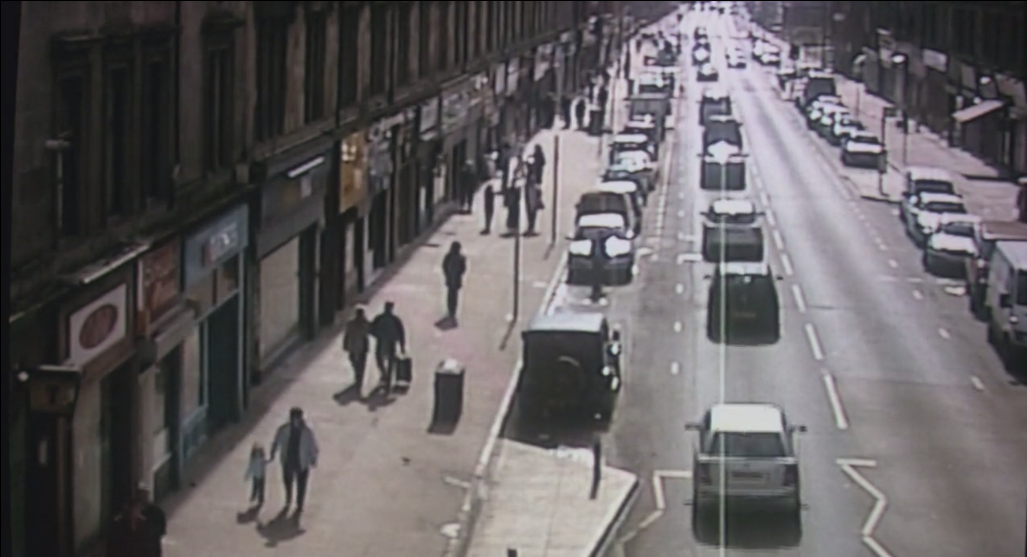
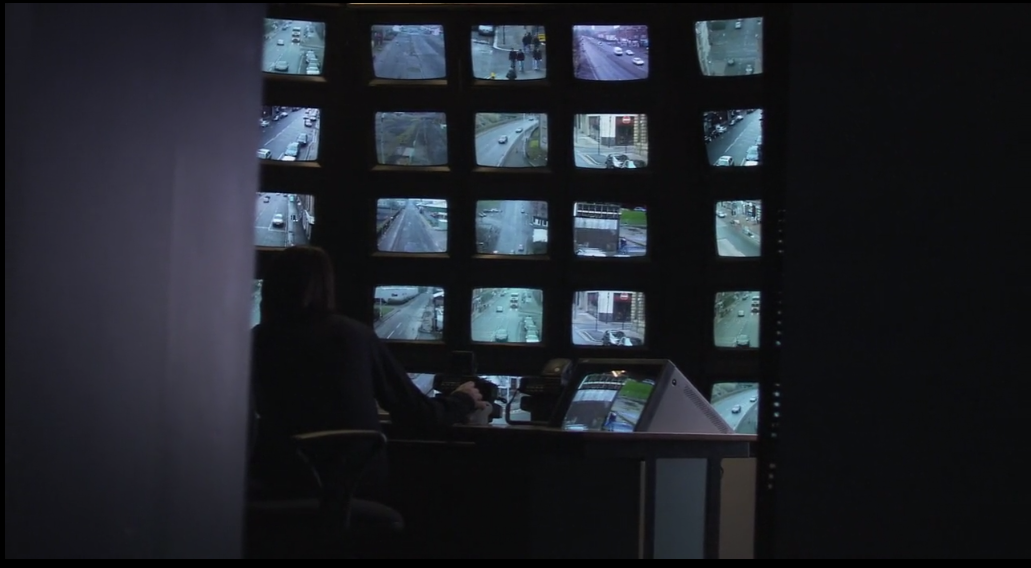
Andrea Arnold deals with the concept of surveillance in a more obvious way; it is embedded in her narrative and defines the power structures of the film. The actual filming, in part, was completed on fixed CCTV cameras, lended from  a Glasgow security company.


Fig. 1 Screengrab from Red Road

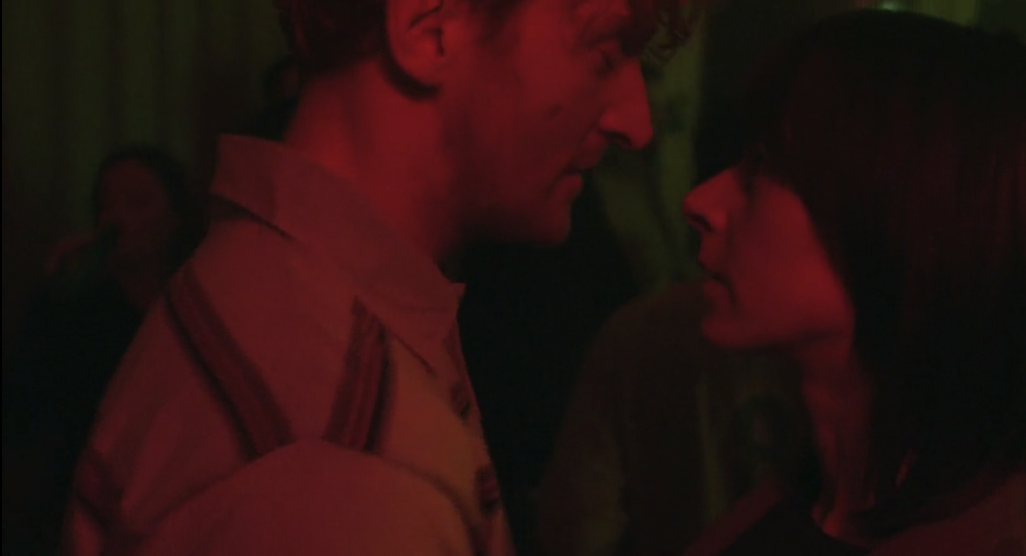
Other parts of the film, in an effort to be in line with the Dogme movement, were filmed on hand-held cameras or had a set up attached to a vehicle in motion, so that in parts actor’s were not aware of where the camera was (Thomson, 2007). It can be seen that this added to the authenticity of the film hence making it more believable for the viewer. Arnold contextualised these CCTV shots with a multiplicity of subjective shots, following the protagonists view not only in the streets, but also focusing on the painterly quality close ups on the screens. This juxtapositioning of filmic devices played into the believability of the film, as it was essential to creating an intimacy for the viewer (Murray & Arnold, 2016).

Fig. 2 Screengrab from Red Road

As it is not until the very end of the film that the purpose of the protagonist’s motivation is exposed, the audience is left questioning for the majority of the film. In waiting to reveal the key to the narrative, Arnold is able to create a power dichotomy unfamiliar in most surveillance films in the genre. Red Road subverts the role of the victim for most of the film; “reversing the traditional power dynamics of looking” (Lake, 2010). Challenging the conventional surveillance genre through a gendered lense, destabilizes the viewer’s expectations.


Fig. 3 Screengrab from Red Road

References:

Lake, Jessica. “Red Road (2006) and Emerging Narratives of ‘Sub-Veillance.’” Continuum, vol. 24, no. 2, 2010, pp. 231–240.

Murray, Jonathan, and Arnold, Andrea. “Red Roads from Realism: Theorising Relationships between Technique and Theme in the Cinema of Andrea Arnold.” Journal of British Cinema and Television, xiii, no. 1, 2016, pp. 195–213.

Thomson, Patricia, and Arnold, Andrea. “Red Road.” American Cinematographer, lxxxviii, no. 4, 2007, pp. 96-100.


Michael Haneke’s Caché

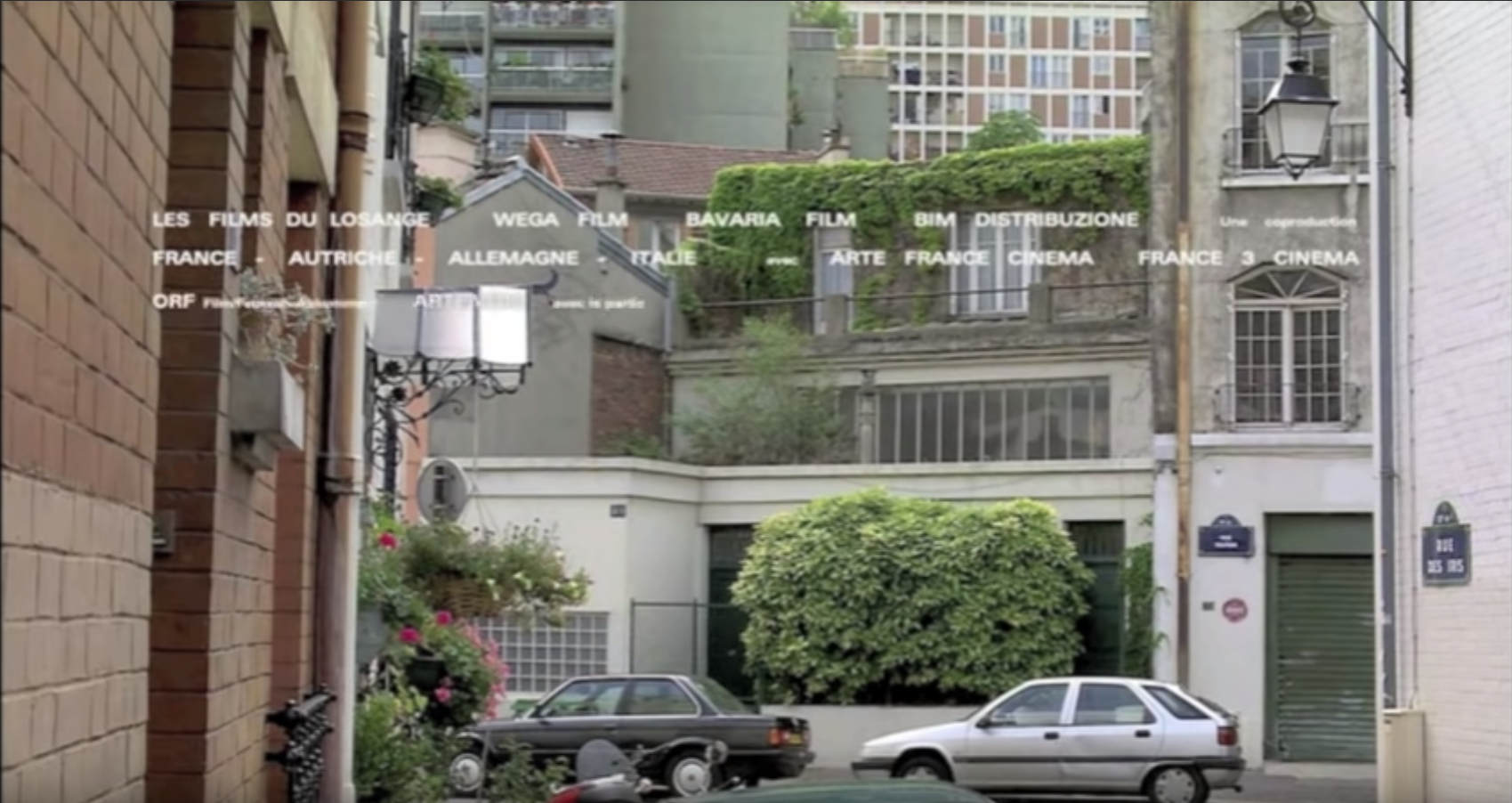
The filmic device of perspective in Caché (Hidden) suggests the concept of surveillance, making the audience feel as if they are a voyeur, Michael Haneke “remaps off-screen space in ways that disturb and implicate its viewers” (Saxton, 2007). This is done in a few ways, but in particular, the long static shots which replicate CCTV footage make the audience feel as if they are watching something that they shouldn’t be.

Fig 1. Screengrab from Michael Haneke’s Caché

The perspective used feels like an invasion of privacy, making the audience feel as if they are the unnamed stalker. This encourages some sort of self-reflexivity on behalf of the viewer; meaning that Haneke has created an uncomfortable tension in his use of off-screen space (Lake, 2010).

Some scholars extend this off-screen space into a preoccupation with the trauma; specifically childhood trauma that was explored in the film’s narrative.


Fig 2. Screengrab from Michael Haneke’s Caché

This trauma loosely refers to the 1961 Paris massacre in the French-Algerian war that, hinting to the conclusion that “narrative and visual elements… function as potential ‘sites of memory’” (Virtue, 2011). This argument suggests that through the use of filmic devices; Haneke is doing much more than demanding self-reflexivity. Instead, the tension of the tone that he created through his use of off-screen space requires the spectator not only to address themes of guilt, but to furthermore assess the ambiguity of narrative (Hubner, 2012). Demanding this relationship between viewer and film is an interesting play of what Haneke chooses to reveal, nodding towards this dichotomy of transparency in the public sphere surrounding some of the events in the French-algerian war (Ritzenhoff, 2008).

References:

Hubner, Laura. “Tension, Transition and Tone in Michael Haneke’s Caché.” Studies in European Cinema, vol. 9, no. F0020002, 2012, pp. 99–108.

Ritzenhoff, Karen. “Visual Competence and Reading the Recorded Past: the Paradigm Shift from Analogue to Digital Video in Michael Haneke’s Film Caché.” Visual Studies, vol. 23, no. 2, 2008, pp. 136–146.

Saxton, Libby. “Secrets and Revelations: Off-Screen Space in Michael Haneke’s Caché (2005).” Studies in French Cinema, vol. 7, no. 1, 2007, pp. 5–17.

Virtue, Nancy E. “Memory, Trauma, and the French-Algerian War: Michael Haneke’s Caché (2005).” Modern & Contemporary France, vol. 19, no. 3, 2011, pp. 281–296.