
The author of the audio visual essay places an emphasis on the switching between diegetic and non-diegetic cameras. He argues that the transition between these modes makes it difficult for the viewer to differentiate their role; hence“this dissonant lack of resolution solidifies a bad taste in the viewers mouth” (Mcdudemeister, 2016). In that Figgis wants the audience feel as if they are watching something they should not be.
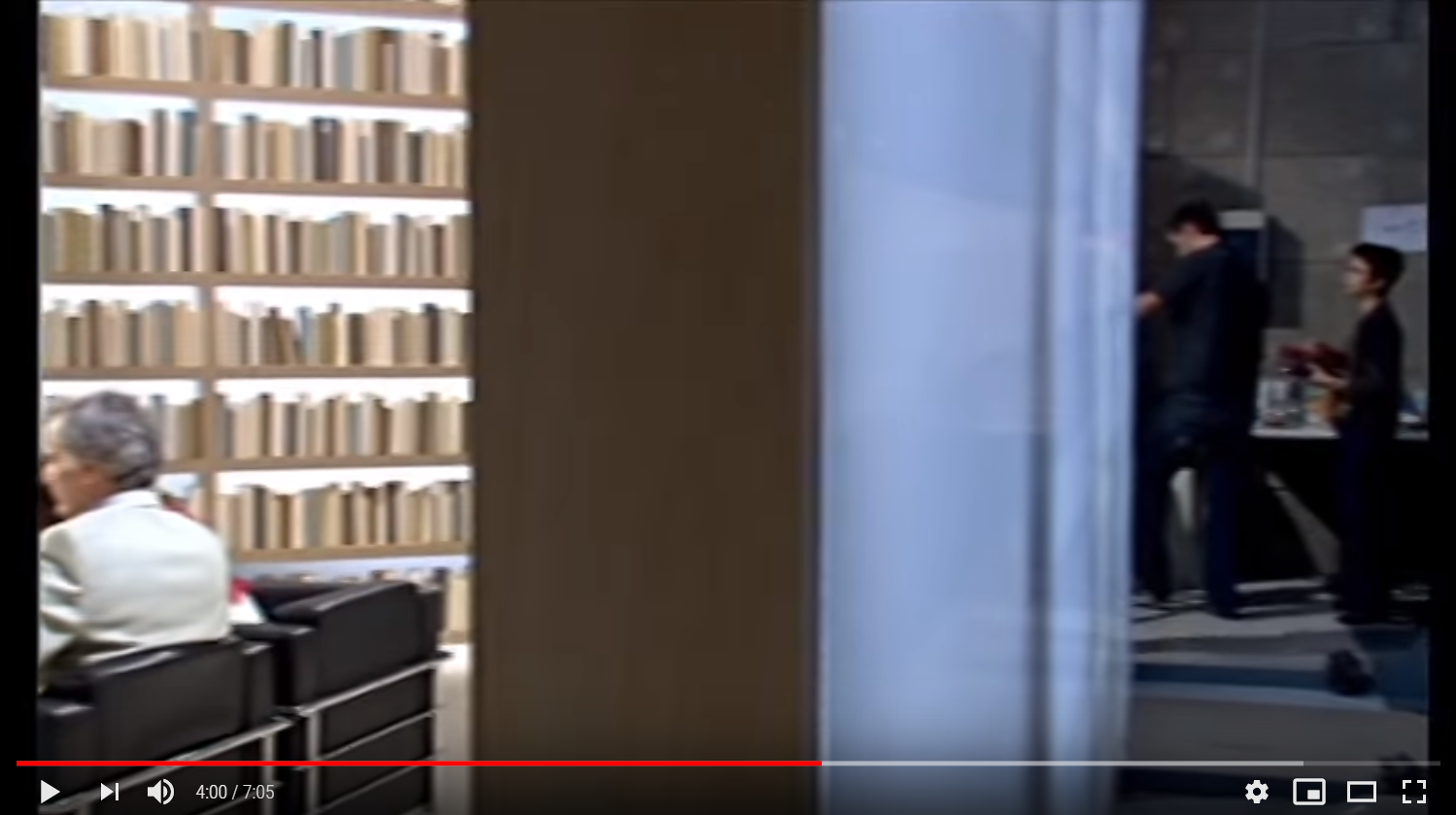
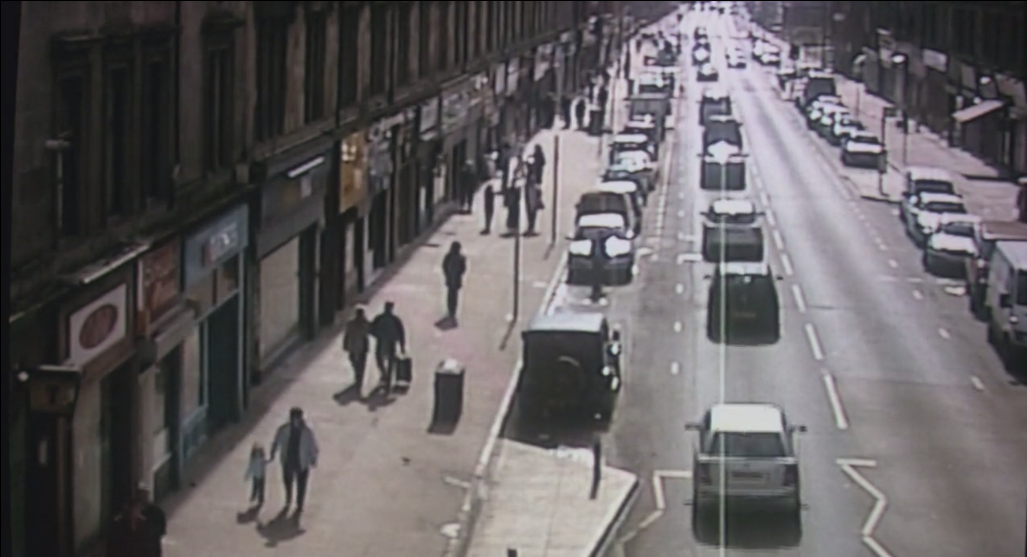
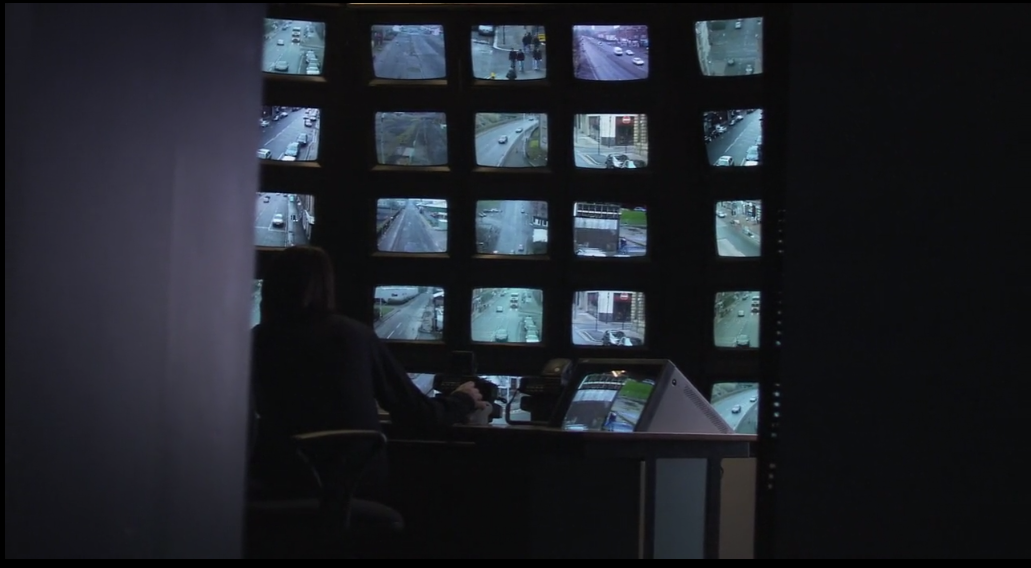
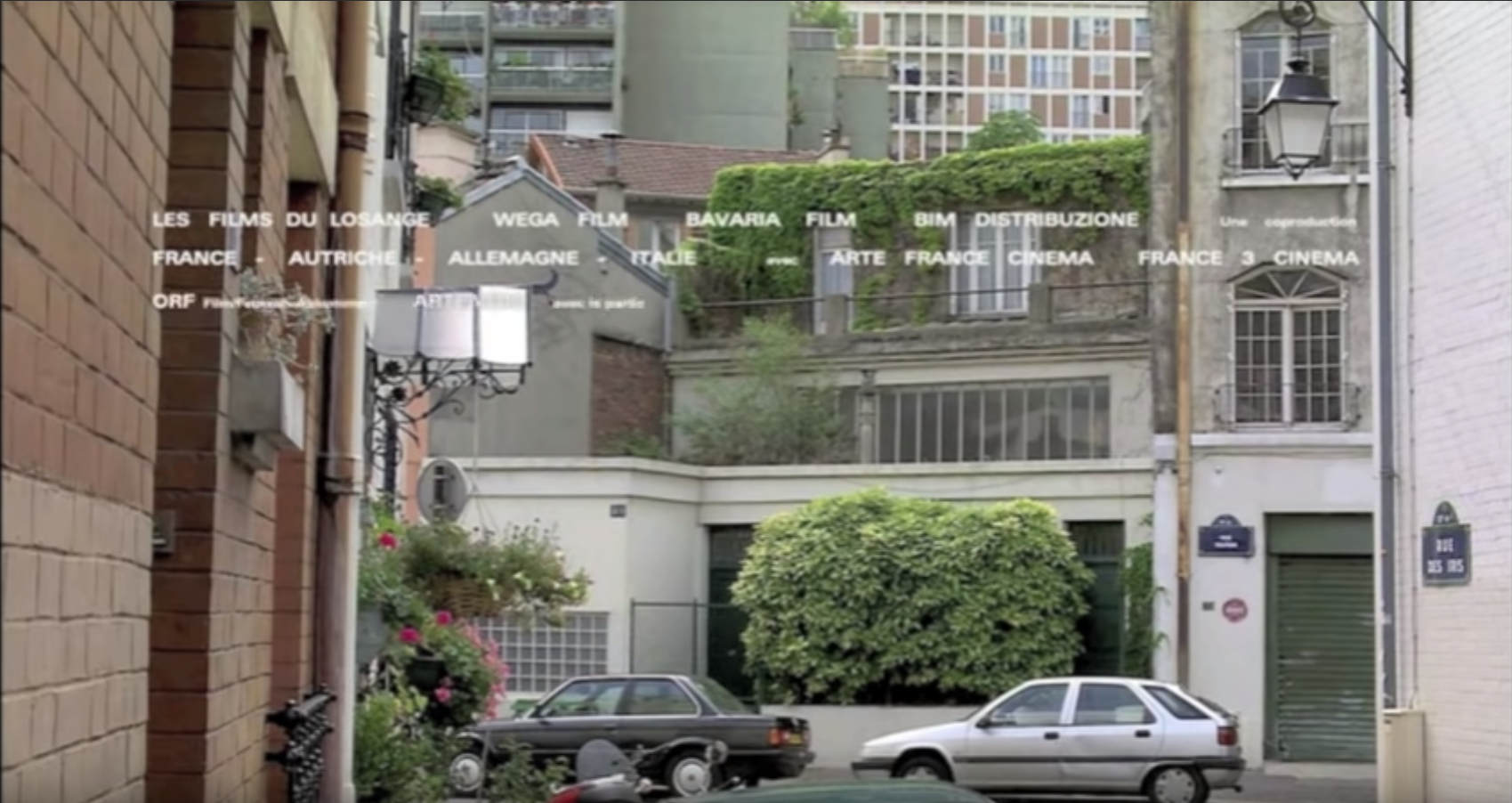
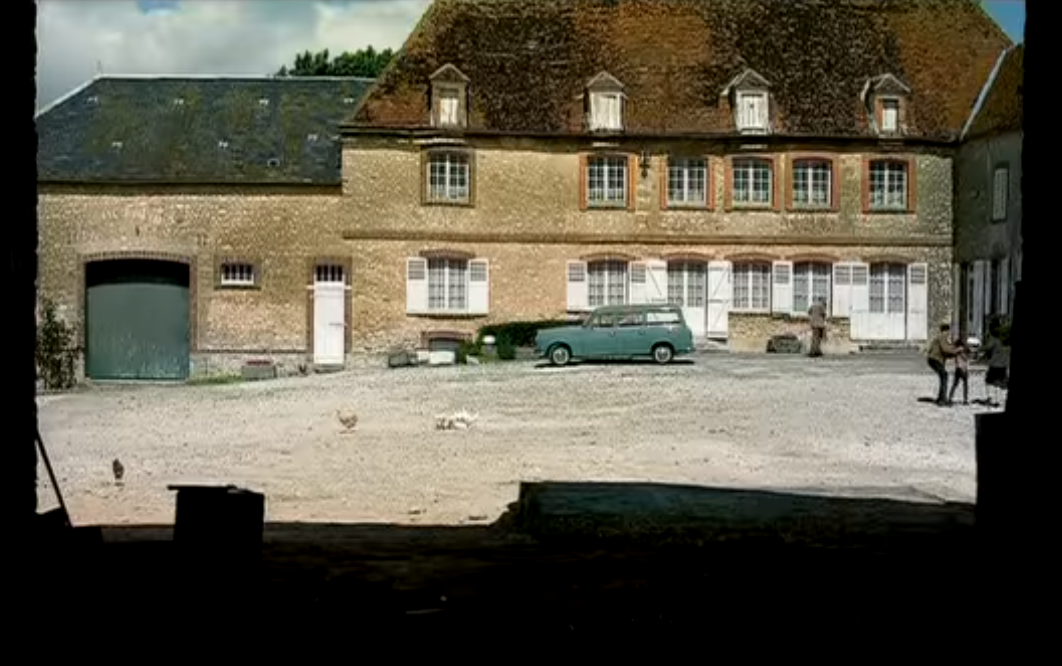
More specifically, there is a blurring of lines between camera as object and non-object in the characters world. The repetition of the filmic medium through not only the tapes but also the set of the television show leads the audience is led to feel as if they are part of some “sinister snooping” (Mcdudemeister, 2016). The difficulty of identifying who is filming the shot makes it hard to believe when the film is not diegetic. This is achieved as the use of diegetic cameras is amplified by their simulation in non-diegetic shots. The establishing, long static shot that opens the film is exhibited multiple times; it becomes a symbol for the voyeurism felt by the audience as it links the viewer to the tapes. Among other devices, the audio visual essay presents the argument that this repetition of frame is primarily used to discomfort the viewer.
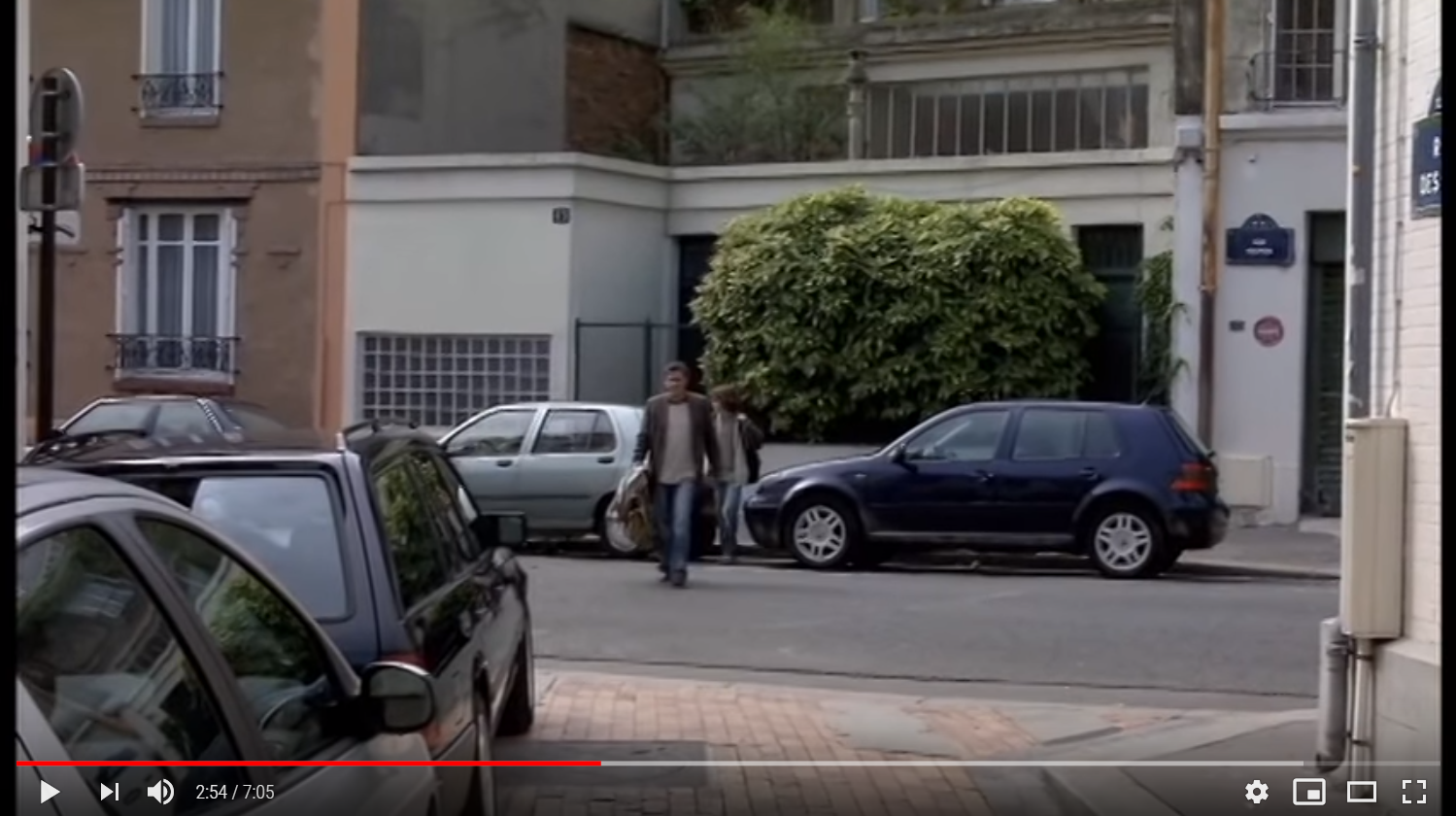
Fig. 2 Screengrab from Caché: A Hidden Perspective
References
Mcdudemeister. “Caché: A Hidden Perspective”. Youtube, Posted (June 2016) https://www.youtube.com/watch?v=_24QSKxk1fc
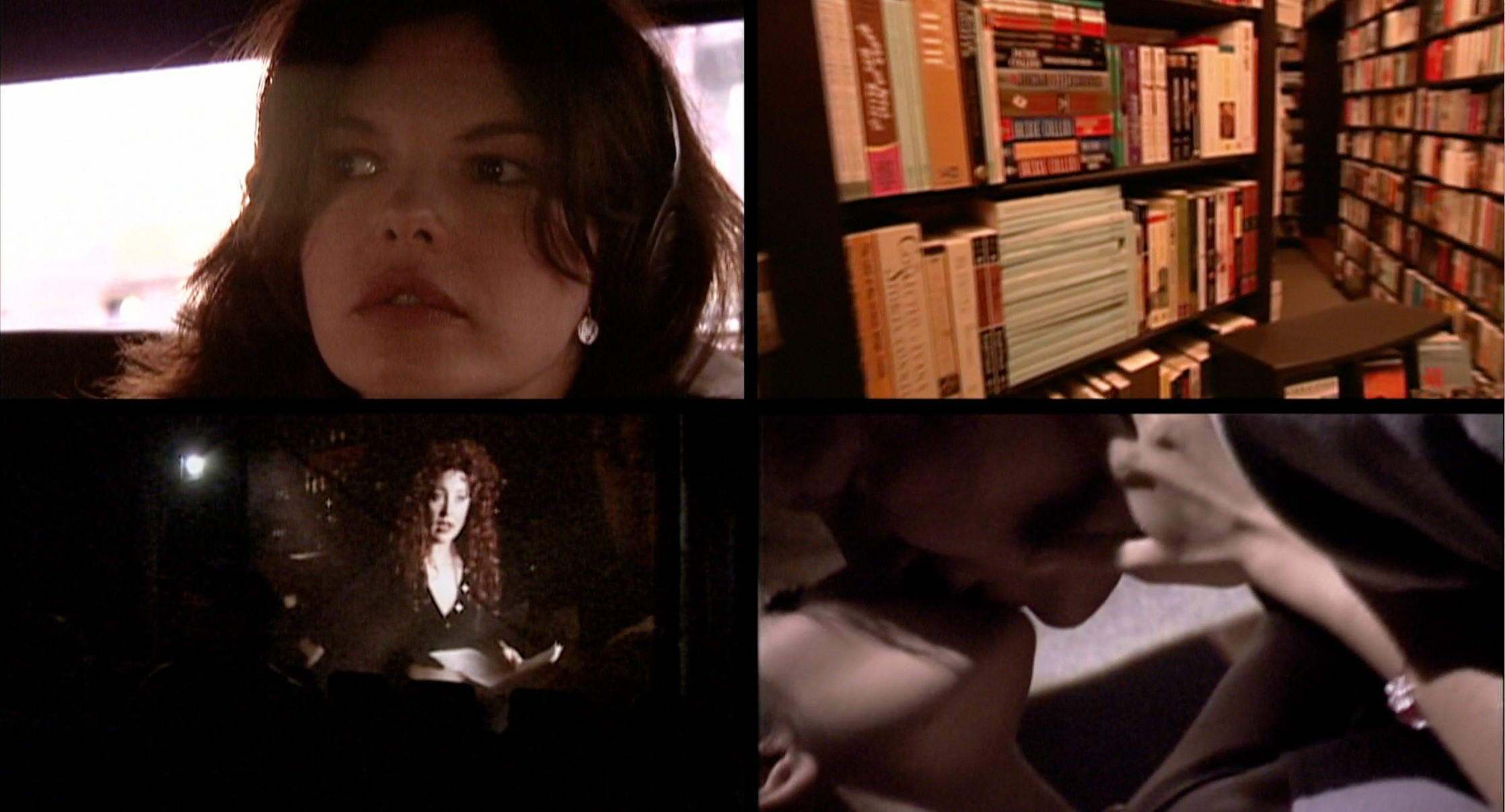
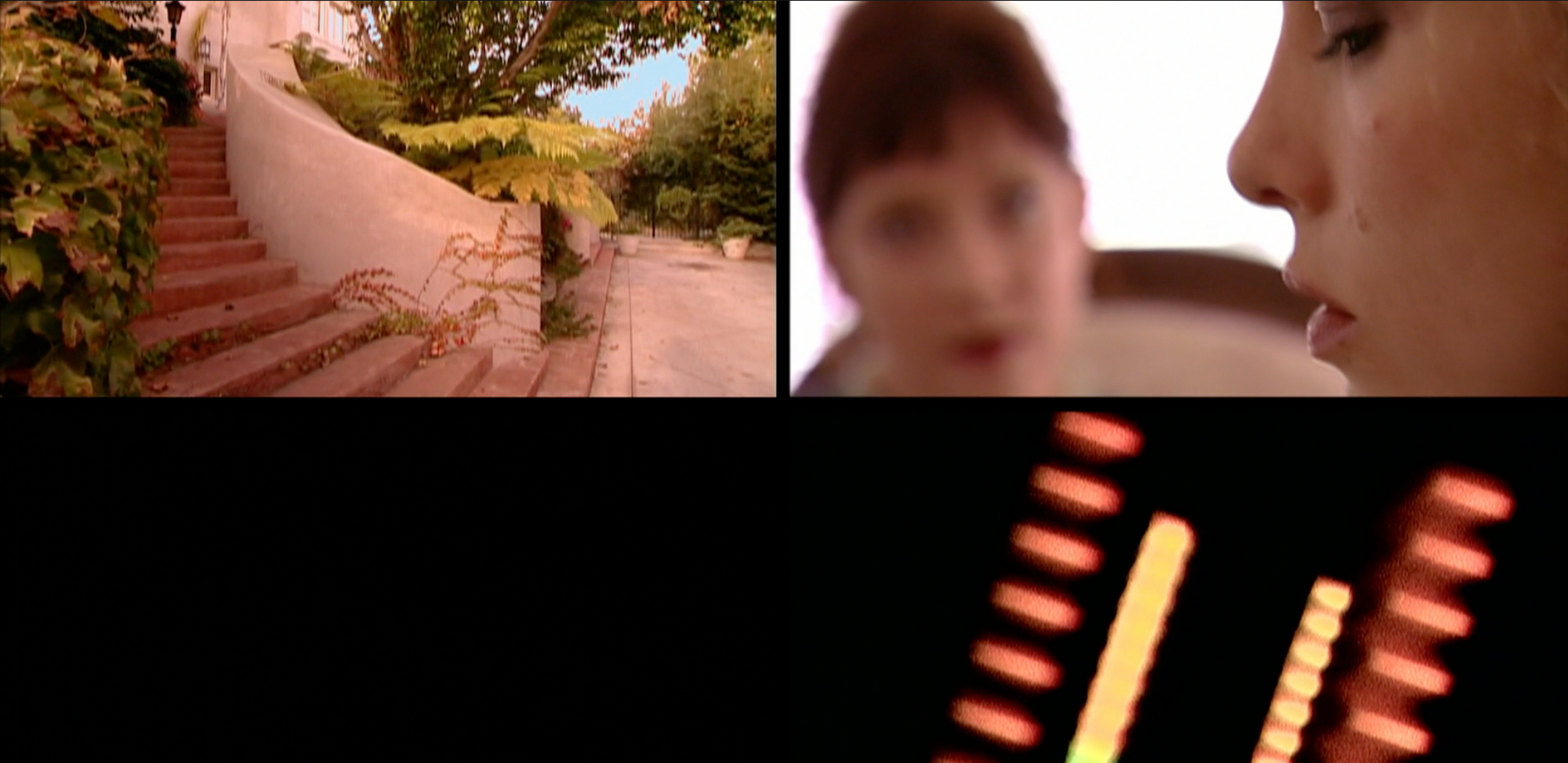
 Surveillance: not even the cinema is safe