
The filmic device of perspective in Caché (Hidden) suggests the concept of surveillance, making the audience feel as if they are a voyeur, Michael Haneke “remaps off-screen space in ways that disturb and implicate its viewers” (Saxton, 2007). This is done in a few ways, but in particular, the long static shots which replicate CCTV footage make the audience feel as if they are watching something that they shouldn’t be.
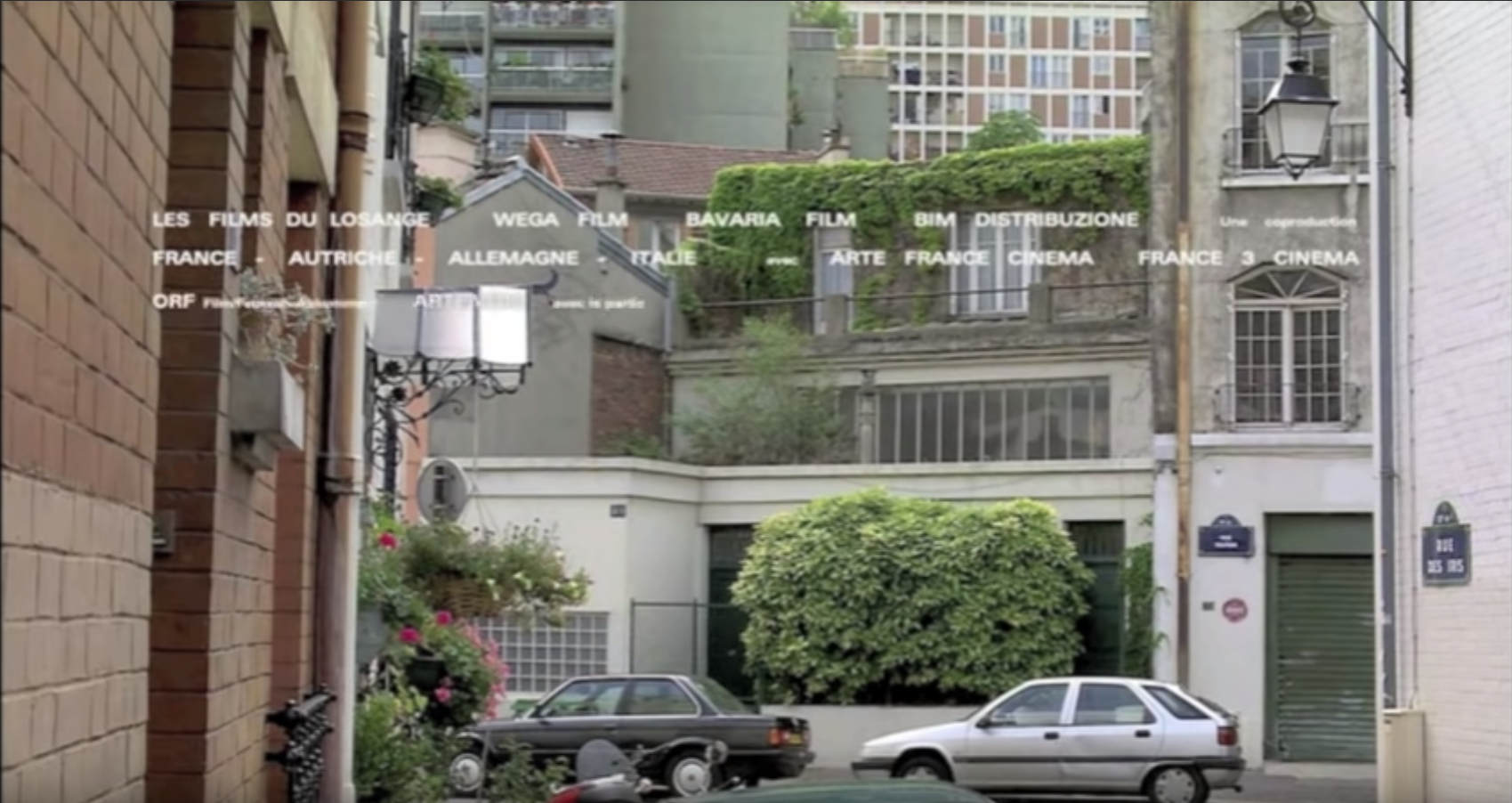
The perspective used feels like an invasion of privacy, making the audience feel as if they are the unnamed stalker. This encourages some sort of self-reflexivity on behalf of the viewer; meaning that Haneke has created an uncomfortable tension in his use of off-screen space (Lake, 2010).
Some scholars extend this off-screen space into a preoccupation with the trauma; specifically childhood trauma that was explored in the film’s narrative.
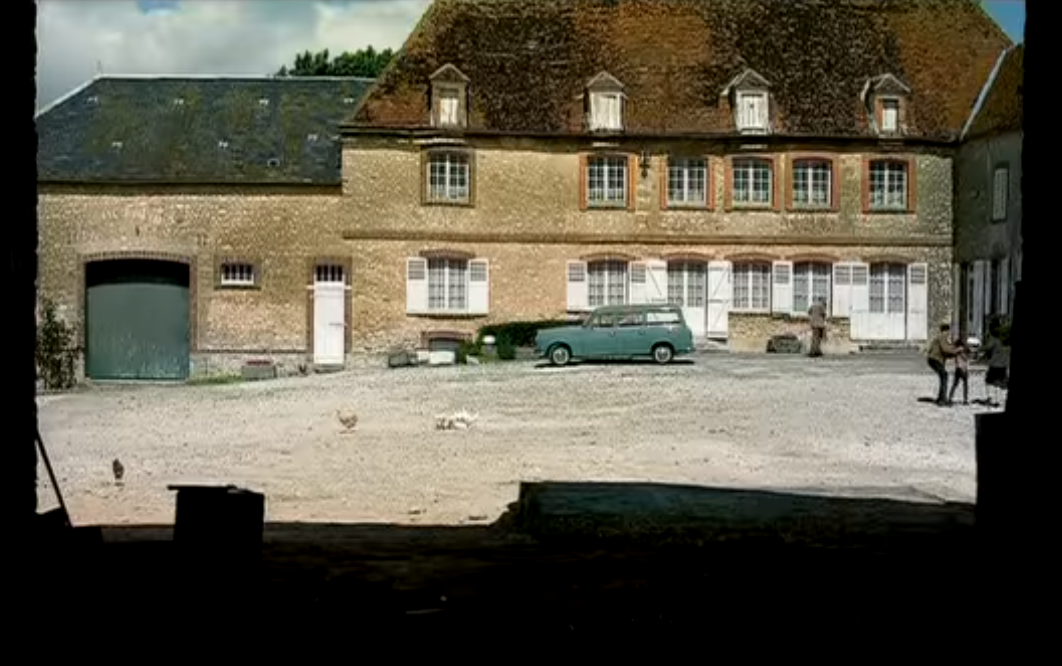
Fig 2. Screengrab from Michael Haneke’s Caché
This trauma loosely refers to the 1961 Paris massacre in the French-Algerian war that, hinting to the conclusion that “narrative and visual elements… function as potential ‘sites of memory’” (Virtue, 2011). This argument suggests that through the use of filmic devices; Haneke is doing much more than demanding self-reflexivity. Instead, the tension of the tone that he created through his use of off-screen space requires the spectator not only to address themes of guilt, but to furthermore assess the ambiguity of narrative (Hubner, 2012). Demanding this relationship between viewer and film is an interesting play of what Haneke chooses to reveal, nodding towards this dichotomy of transparency in the public sphere surrounding some of the events in the French-algerian war (Ritzenhoff, 2008).
References:
Hubner, Laura. “Tension, Transition and Tone in Michael Haneke’s Caché.” Studies in European Cinema, vol. 9, no. F0020002, 2012, pp. 99–108.
Ritzenhoff, Karen. “Visual Competence and Reading the Recorded Past: the Paradigm Shift from Analogue to Digital Video in Michael Haneke’s Film Caché.” Visual Studies, vol. 23, no. 2, 2008, pp. 136–146.
Saxton, Libby. “Secrets and Revelations: Off-Screen Space in Michael Haneke’s Caché (2005).” Studies in French Cinema, vol. 7, no. 1, 2007, pp. 5–17.
Virtue, Nancy E. “Memory, Trauma, and the French-Algerian War: Michael Haneke’s Caché (2005).” Modern & Contemporary France, vol. 19, no. 3, 2011, pp. 281–296.
 Surveillance: not even the cinema is safe